

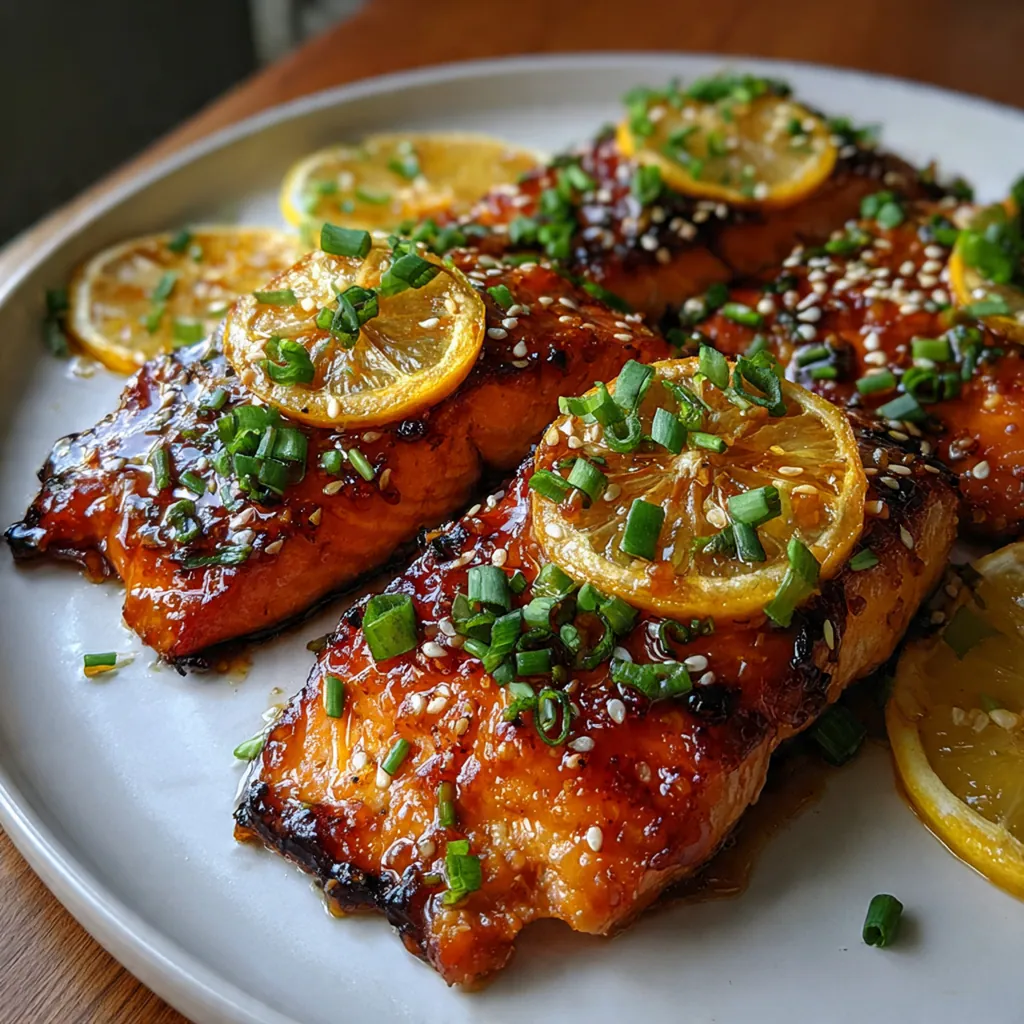
This honey glazed salmon is the kind of dinner that makes a busy weeknight feel like a special occasion. It’s an Asian-inspired dish that relies on a perfect balance of sweet honey and savory umami to create a glossy, caramelized crust. I love how the whole meal comes together in under 30 minutes, turning simple salmon into something truly restaurant-worthy. The combination of fresh ginger and garlic in the glaze is what makes this version so memorable and flavorful.
Why You'll Love This Recipe
- You can have it on the table in 25 minutes flat
- It hits that perfect sweet and savory note every single time
- The glaze transforms into a sticky, irresistible coating
- It’s a healthy, protein-packed meal that feels indulgent
- I make this when I need a surefire crowd-pleaser
Ingredients You’ll Need
- Salmon fillets: Go for fresh, evenly thick cuts so they cook at the same rate, and choose skin-on for extra flavor and crispiness or skinless for simplicity.
- Kosher salt: Its coarse grains adhere well and season the fish deeply, enhancing the natural flavor without making it taste salty.
- Black pepper: Freshly ground adds a subtle warmth and complexity that pairs wonderfully with the sweet glaze.
- Olive oil: A light coat prevents sticking and helps the skin crisp up, creating a perfect textural contrast.
- Honey: This is the sweet backbone of the glaze; use a good quality, runny honey for easy mixing and even caramelization.
- Soy sauce: Provides the essential umami and salt; use tamari for a gluten-free version without sacrificing any flavor.
- Garlic: Freshly minced garlic infuses the glaze with a pungent, aromatic depth you just can’t get from powder.
- Fresh ginger: Grate it yourself for a bright, zesty kick that cuts through the richness and adds wonderful fragrance.
- Lemon juice: A splash of fresh acidity balances the sweetness and brightens all the other flavors in the glaze.
- Red pepper flakes: These are optional but I love the tiny bit of heat they add, which keeps each bite interesting.
- Green onions: Their fresh, sharp bite is the perfect garnish, adding color and a crisp finish.
- Sesame seeds: A sprinkle gives a lovely nutty flavor and makes your honey glazed salmon look professionally finished.
- Lemon wedges: Serving these on the side lets everyone add an extra pop of brightness right at the table.
How to Make It
Preheat and Prep Your Pan:
Start by getting your oven up to 400°F and lining a baking sheet. This simple step guarantees easy cleanup because that sticky honey glaze is a joy to eat but not to scrub.
Dry and Season the Salmon:
Take a few paper towels and pat each salmon fillet completely dry. This is a non-negotiable step for getting the glaze to stick and for achieving a beautiful sear. Then, season both sides simply with salt and pepper.
Whisk Together the Glaze:
In a small bowl, combine the honey, soy sauce, garlic, ginger, lemon juice, and red pepper flakes. Whisk it until the honey is fully dissolved and the mixture is smooth and fragrant.
Apply the First Layer of Glaze:
Place your seasoned salmon on the prepared sheet. Using a spoon or brush, coat the tops of the fillets with about half of your glaze mixture. Set the rest aside for later.
Bake to Flaky Perfection:
Slide the baking sheet into the hot oven and let the salmon cook for 12 to 15 minutes. It’s done when it flakes easily with a fork and reaches an internal temperature of 145°F.
Thicken the Reserved Glaze:
While the salmon bakes, pour the leftover glaze into a small saucepan. Warm it over low heat for a few minutes, stirring often, until it bubbles and thickens slightly into a luxurious sauce.
Glaze Again for Maximum Flavor:
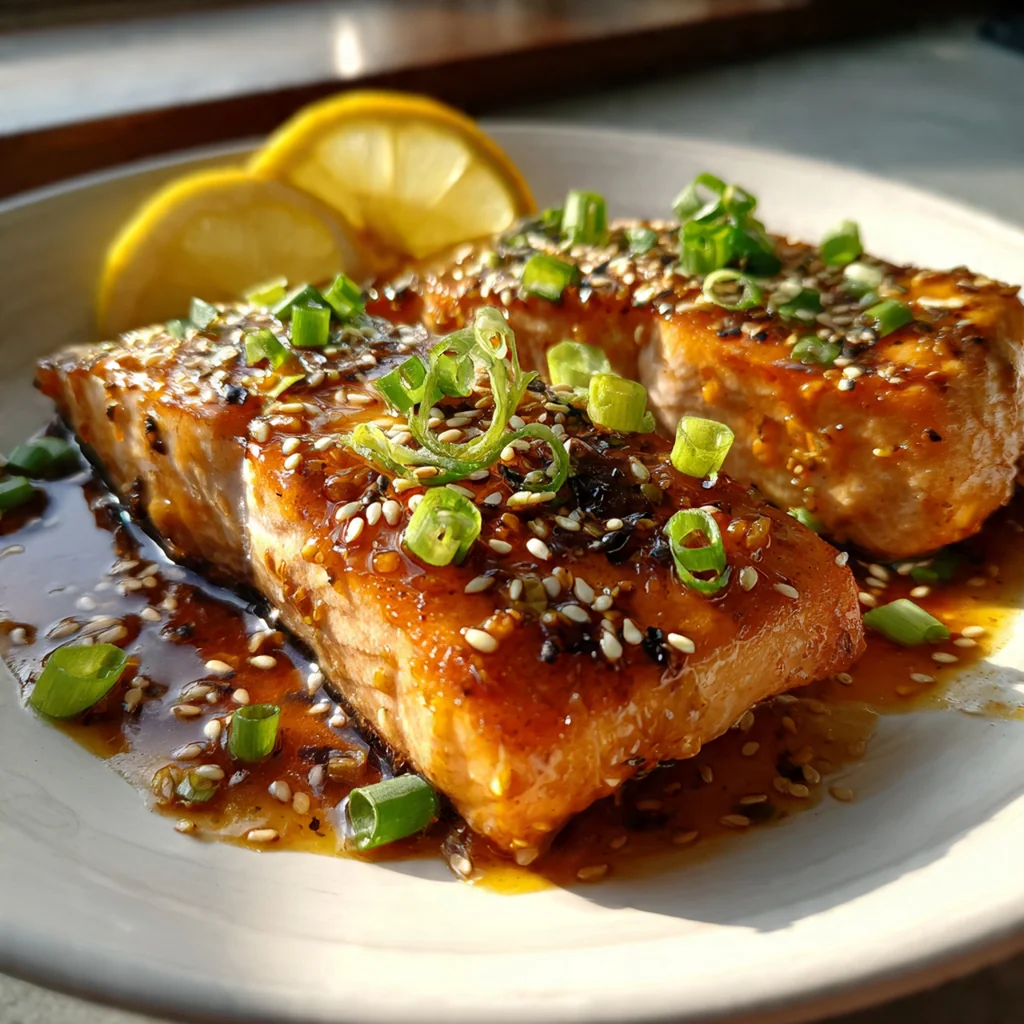
As soon as the salmon comes out of the oven, carefully brush the hot, thickened glaze all over the top of each fillet. This double-glazing method builds incredible flavor and shine.
Garnish and Serve Immediately:
Finish your honey glazed salmon with a sprinkle of sliced green onions and sesame seeds. Serve it right away with lemon wedges on the side for that final bright squeeze.
You Must Know
- Patting the salmon dry is the secret to glaze adhesion
- Reserving half the glaze to thicken creates a restaurant-quality finish
- The optional red pepper flakes add a fantastic subtle warmth
- Letting it rest for two minutes keeps it juicy
- This honey glazed salmon is my go-to for impressing guests
Storage Tips
Store any leftover honey glazed salmon in an airtight container in the fridge for up to two days. To reheat, I prefer using a 300°F oven for about 10 minutes to gently warm it through without drying it out. If you’re in a hurry, the microwave at 50% power in short intervals works, but watch it closely. The salmon is also fantastic flaked cold over a salad or grain bowl the next day, so don’t feel like you have to reheat it.
Ingredient Substitutions
If you need a gluten-free option, simply swap the soy sauce for tamari, which works exactly the same. Maple syrup or agave can stand in for the honey if you prefer, though the flavor profile will shift slightly. Don’t have fresh ginger? Use about a quarter teaspoon of ground ginger, but know the bright zing won’t be quite as pronounced. In a pinch, bottled minced garlic can replace fresh, but fresh cloves make a noticeable difference. For the oil, avocado or any other neutral cooking oil will work just fine.
Serving Suggestions
I almost always serve this honey glazed salmon over a bed of fluffy jasmine or brown rice to soak up every drop of that incredible sauce. Steamed broccoli, roasted asparagus, or snap peas make perfect vegetable sides that complement the Asian-inspired flavors beautifully. For a complete meal, a simple cucumber salad with rice vinegar or a quick stir-fry of bell peppers and onions rounds everything out perfectly.
Cultural Context
While not a traditional recipe from a single country, this honey glazed salmon draws inspiration from the foundational flavors of East and Southeast Asian cuisines. The combination of soy sauce, ginger, and garlic forms a classic trio used in countless stir-fries and marinades, while the use of honey for glaze reflects a modern, fusion approach to balancing sweet and savory. You’ll find similar glazes on proteins in contemporary restaurants that celebrate bold, simple flavors designed to let high-quality ingredients shine. It’s a wonderful example of how a few pantry staples can create a globally-inspired dish that feels both familiar and exciting.
Pro Tips
- Use salmon fillets of even thickness for uniform cooking
- Don’t skip the step of thickening the reserved glaze
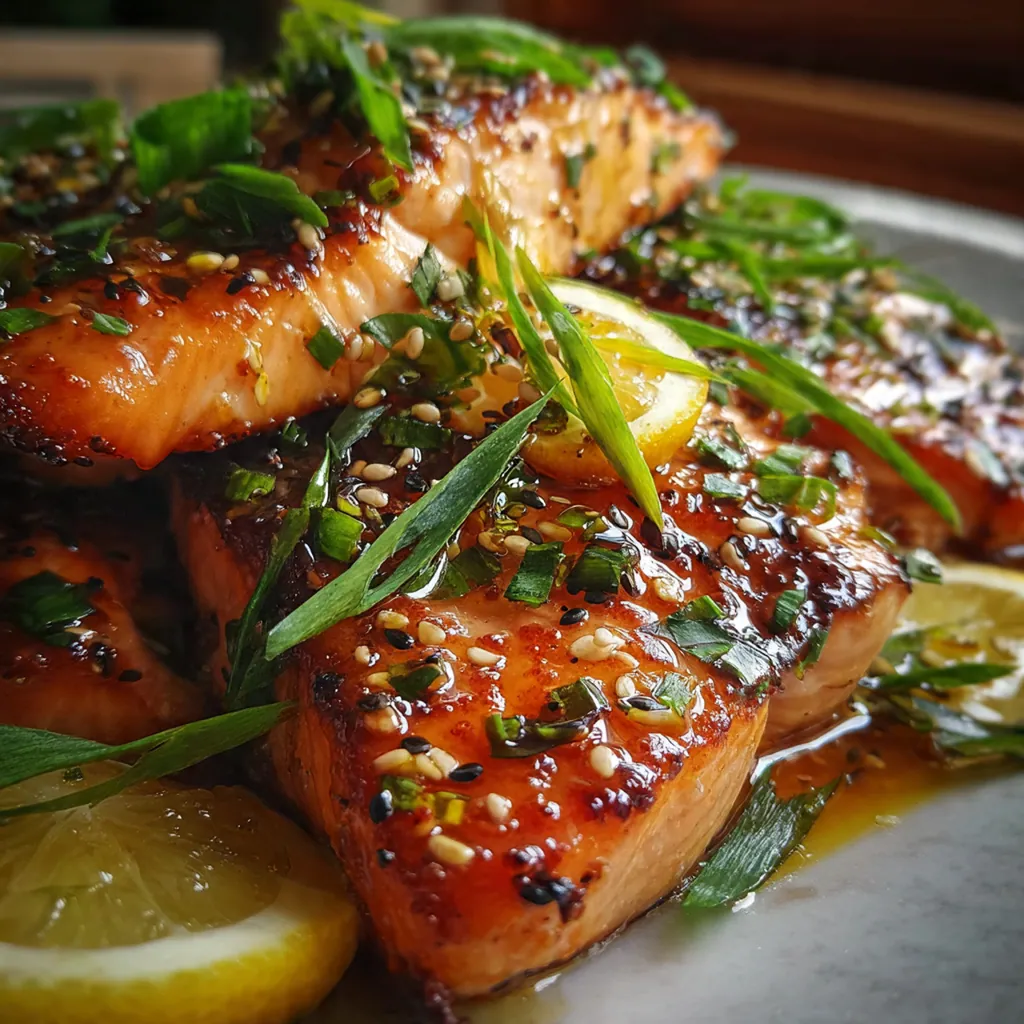
- For extra caramelization, broil for the last minute or two
- Let the salmon rest briefly before serving to keep it moist
- I always double the glaze because it’s that good
Frequently Asked Questions
Skin-on or skinless fillets both work perfectly. We recommend 6-ounce portions that are about 1-inch thick for even cooking. Choose Atlantic, sockeye, or king salmon—the glaze complements any variety. Just ensure your fillets are patted dry so the glaze sticks and caramelizes properly during cooking.
You can mix the glaze (honey, soy, garlic, ginger, lemon) up to 2 days ahead and store it in the fridge. For best results, cook the salmon fresh. Leftovers will keep for 2 days refrigerated; gently reheat in a covered skillet with a splash of water to revive the glaze.
For a gluten-free option, use tamari (as noted). Coconut aminos are a great soy-free, slightly sweeter alternative. In a pinch, you can use 2 tablespoons of Worcestershire sauce mixed with 1 tablespoon of water, though the flavor profile will shift more towards umami than classic Asian-inspired.
The salmon is done when it flakes easily with a fork and the internal temperature reaches 145°F (63°C). Visual cues: the flesh will be opaque and slightly pink in the very center. The glaze should be bubbling and sticky. Avoid overcooking, as the sugar in the honey can burn if left too long.
It pairs wonderfully with steamed jasmine rice to soak up the extra glaze, and a simple side of sautéed bok choy or snap peas. For a heartier meal, serve with quinoa or roasted broccoli. The Asian-inspired flavors also complement a crisp cucumber salad with a rice vinegar dressing.