

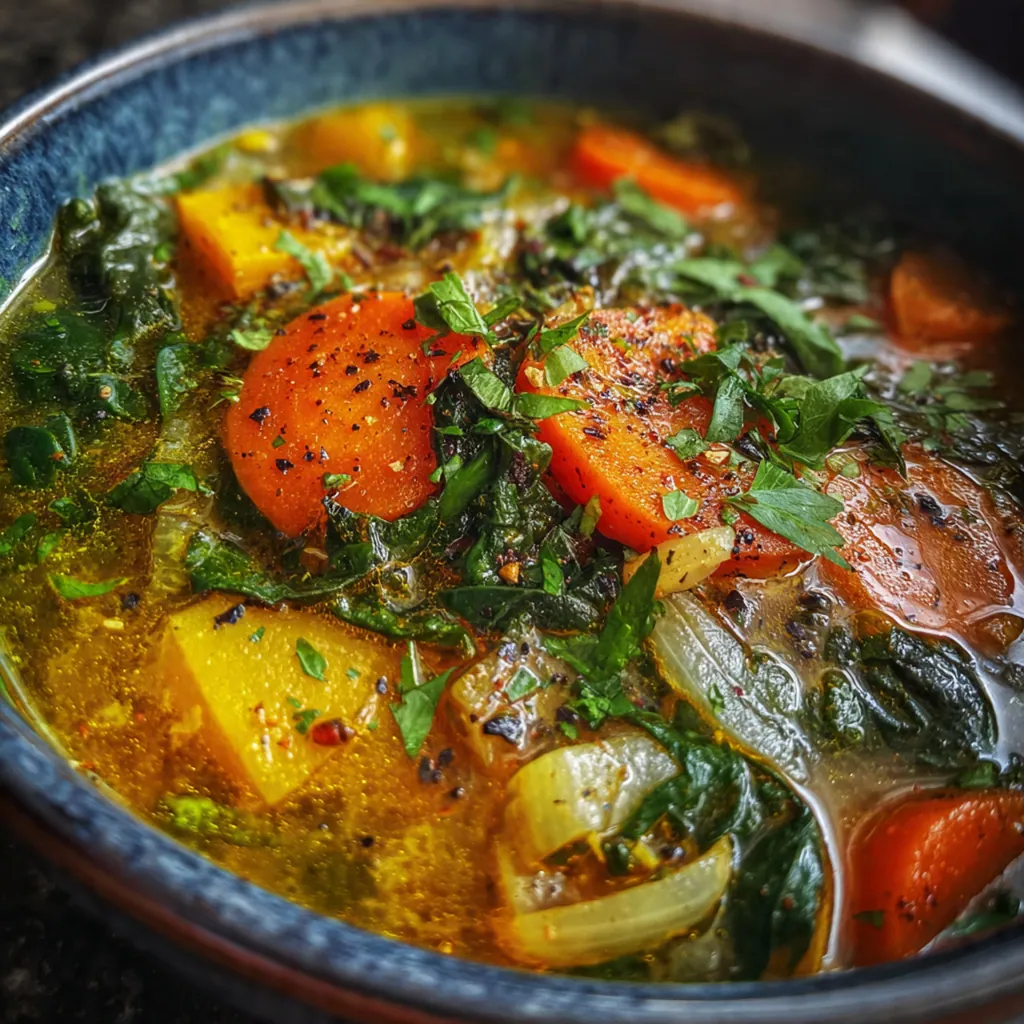
This vibrant anti inflammatory soup has become my kitchen’s most trusted remedy when I need a bowl that truly nourishes from the inside out. Inspired by Mediterranean principles of simple, wholesome cooking, it builds flavor from a base of healing roots and aromatics. You’ll find it’s more than just a meal—it’s a warm, comforting pot of golden goodness that actually makes you feel better. I love how it manages to be both deeply restorative and incredibly easy to make any night of the week.
Why You'll Love This Recipe
- Packed with anti-inflammatory powerhouses for a genuinely healing meal
- It all comes together in one pot for the easiest cleanup imaginable
- Naturally suits so many diets without any special modifications
- The chickpeas and kale make it feel hearty and satisfying
- I make a big batch every Sunday and it gets me through the week
Ingredients You’ll Need
- Extra-virgin olive oil: a good quality oil forms the flavorful foundation and helps your body absorb the spices’ fat-soluble benefits.
- Yellow onion: diced onions provide a sweet, savory base that mellows beautifully as they sauté and soften.
- Garlic: fresh minced cloves add that essential pungent kick and serious immune-boosting properties.
- Fresh ginger: grating it yourself gives you the most potent, bright, and spicy flavor that defines the soup.
- Fresh turmeric: this is the star for color and healing compounds; the fresh root is far superior to powdered.
- Carrots: peeled and diced, they add natural sweetness and a lovely texture once they become tender.
- Celery: its subtle herbal flavor builds complexity in the broth and pairs perfectly with the carrots.
- Ground cumin: just a teaspoon toasts and unlocks an earthy, warm note that balances the brighter spices.
- Low-sodium vegetable broth: using a low-sodium version lets you control the final seasoning perfectly.
- Chickpeas: drained and rinsed canned beans add plant-based protein and a wonderful creamy heartiness.
- Fresh kale: chopped leafy greens wilt in at the end for a pop of color and vital nutrients.
- Fresh lemon juice: the bright acidic finish is non-negotiable; it wakes up every other flavor in the bowl.
- Sea salt and black pepper: season to taste at the end to layer and perfect all the flavors you’ve built.
How to Make It
Start with Your Aromatics:
Heat the olive oil in your large pot over medium heat. Add the diced onion and give it a good stir. You want to cook it for about five minutes until it turns soft and translucent, which builds a sweet foundation for your anti inflammatory soup.
Toast the Ginger and Turmeric:
Add the minced garlic, grated ginger, and grated turmeric right into the pot. Sauté everything for just a minute or two until it becomes incredibly fragrant. Be careful not to burn the garlic here—you’re just waking up the oils.
Build the Vegetable Base:
Stir in your diced carrots, celery, and that teaspoon of ground cumin. Let this cook together for another five minutes. This short cook time allows the veggies to start softening and the cumin to toast slightly, deepening the flavor profile.
Simmer the Broth:
Now pour in all of your vegetable broth and crank the heat up to bring it to a boil. Once it’s bubbling, reduce the heat to low, cover the pot, and let it simmer gently for fifteen minutes. This is when the carrots become perfectly tender.
Incorporate Chickpeas and Greens:
Uncover your pot and stir in the drained chickpeas and all that chopped kale. Let it simmer, uncovered, for about five more minutes. You’ll know it’s done when the kale has wilted down and turned a vibrant, beautiful green.
Finish with Brightness and Seasoning:
Take the pot off the heat entirely. Stir in the fresh lemon juice—this is the magic touch that makes the whole soup sing. Finally, season it generously with sea salt and black pepper until it tastes just right to you.
Serve and Garnish:
Ladle your finished anti inflammatory soup into deep bowls. This is where you can get creative with the optional garnishes like fresh parsley, creamy avocado slices, or a pinch of red pepper flakes for heat.
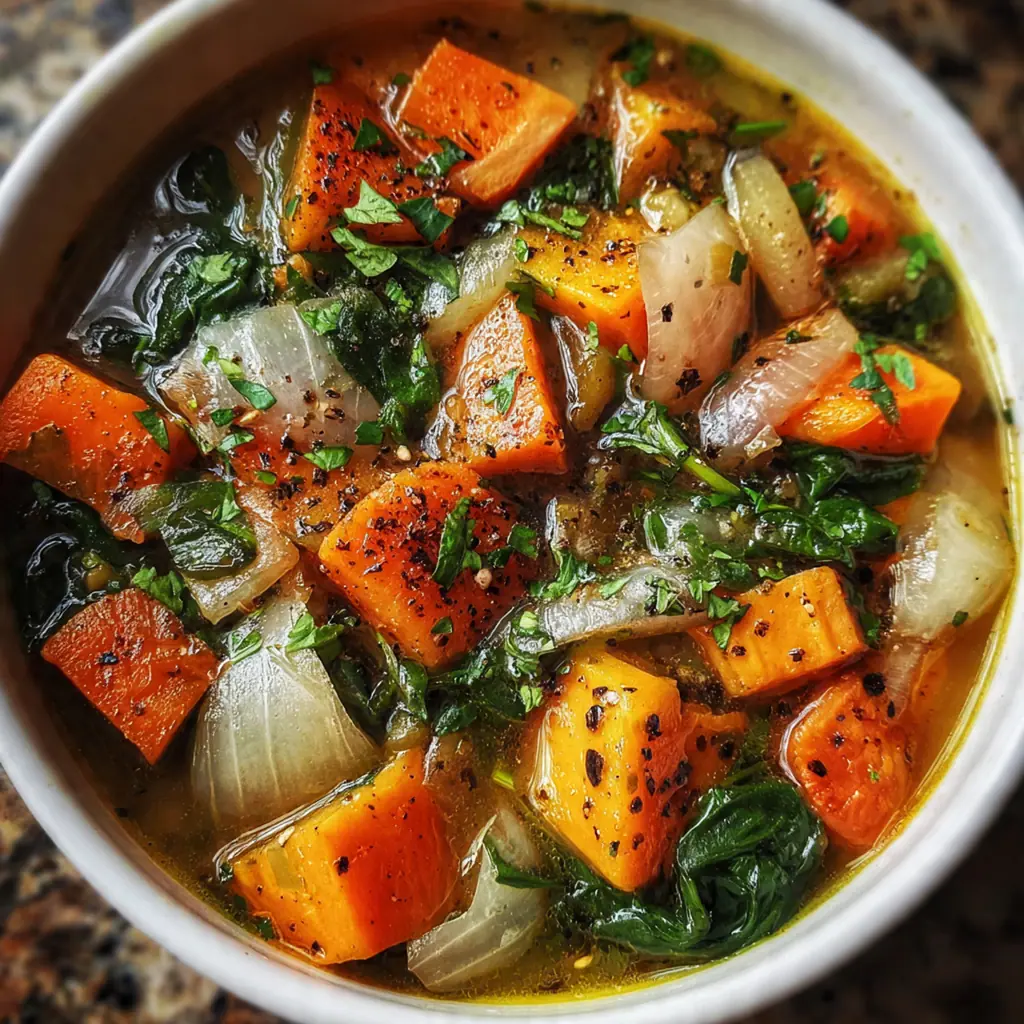
You Must Know
- Fresh turmeric and ginger make a world of difference in flavor
- Don’t rush sautéing the spices—that fragrance is your guide
- The kale wilts fast so add it right at the end
- A squeeze of lemon right before serving is non-negotiable
- This soup honestly tastes even better as leftovers
Storage Tips
Once your anti inflammatory soup has cooled to room temperature, transfer it to airtight containers and pop it in the fridge where it’ll stay perfect for up to five days. You can also freeze it for longer storage—just portion it into freezer-safe containers or bags for up to three months, leaving a little space for expansion. When you’re ready to eat, reheat it gently on the stove over medium heat, adding a small splash of broth or water if it has thickened up too much in the fridge. I find the flavors meld and improve overnight, making this the ultimate meal-prep champion.
Ingredient Substitutions
If you can’t find fresh turmeric root, you can substitute one teaspoon of ground turmeric, though the flavor will be a bit more earthy and less bright. Swap the kale for any sturdy green you have like spinach, chard, or collards—just adjust the cooking time since spinach wilts almost instantly. No chickpeas? White beans or even lentils would work beautifully here for that protein and texture. For a different aromatic base, try using leeks or shallots instead of the yellow onion, and if you want a richer broth, you can use half vegetable broth and half full-fat coconut milk.
Serving Suggestions
I love to serve this anti inflammatory soup with a thick slice of crusty whole-grain bread or sourdough for dipping into that flavorful broth. For a fuller meal, a simple side salad with a lemon vinaigrette complements it perfectly without overpowering the soup’s delicate spices. Sometimes I’ll add a dollop of coconut yogurt or a sprinkle of nutritional yeast right on top for a creamy, tangy finish that makes each bowl feel a little extra special. It’s also fantastic served over a scoop of cooked quinoa or brown rice if you want to make it even heartier.
Cultural Context
This soup draws direct inspiration from the broad, sun-drenched traditions of Mediterranean cooking, where meals are built on vegetables, legumes, and aromatic herbs and spices known for their health properties. The combination of olive oil, garlic, lemon, and hearty greens is a classic foundation you’d find from Greece to the coasts of North Africa, always emphasizing fresh, simple ingredients that work in harmony. While not a direct copy of any single traditional dish, it embodies that region’s philosophy of food as both nourishment and pleasure, using ingredients like turmeric and ginger that have been celebrated in wellness practices across cultures for centuries. It’s a modern, health-focused take on a timeless way of eating that feels good in every sense.
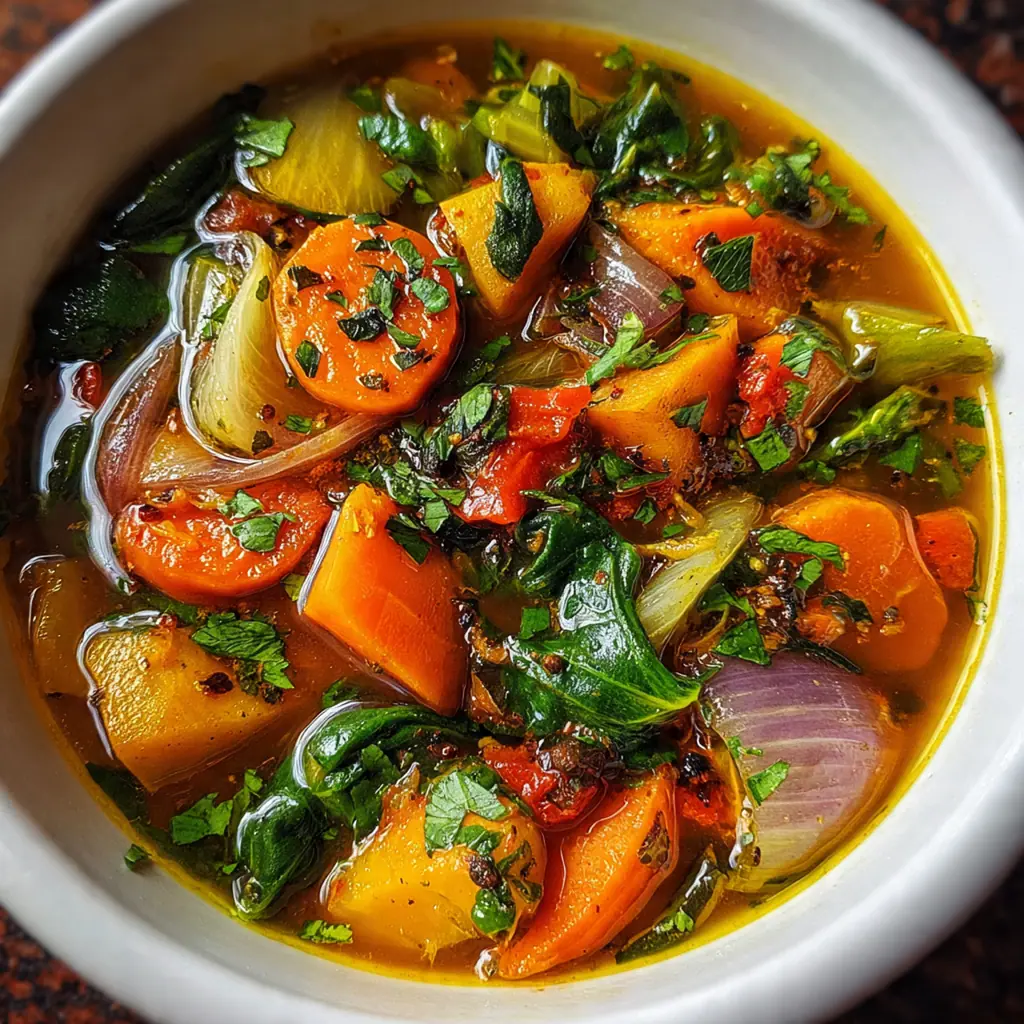
Pro Tips
- Grate your ginger and turmeric on a microplane for the finest texture
- Let the soup cool slightly before adding the lemon juice to preserve its bright acidity
- Blend half the soup before adding kale for a creamier texture
- Always taste and adjust seasoning after adding the lemon
- My secret is a tiny pinch of black pepper to activate the turmeric
Frequently Asked Questions
For the most potent anti-inflammatory benefits and vibrant color, use fresh turmeric root. Grate it just like ginger. If you only have ground turmeric, use 1 teaspoon instead of the fresh tablespoon, but note that fresh provides a more intense flavor and higher curcumin content.
Yes, this soup stores beautifully. Let it cool completely and store in an airtight container in the refrigerator for up to 4 days. The flavors even improve over time. Reheat gently on the stovetop, adding a splash of broth if needed.
If you don’t have kale, you can use spinach or Swiss chard. Add spinach at the very end, just until wilted. For Swiss chard, add the stems with the carrots and celery, and the leaves with the kale.
The soup is ready when the carrots and celery are tender, about 20 minutes of simmering. The kale should be wilted and vibrant green. The flavors will have melded together, and the lemon juice added at the end will brighten it up.
This Mediterranean-inspired soup is a complete meal on its own, but you can serve it with a slice of crusty whole-grain bread or a side salad. For added protein, top with grilled chicken or extra chickpeas.