
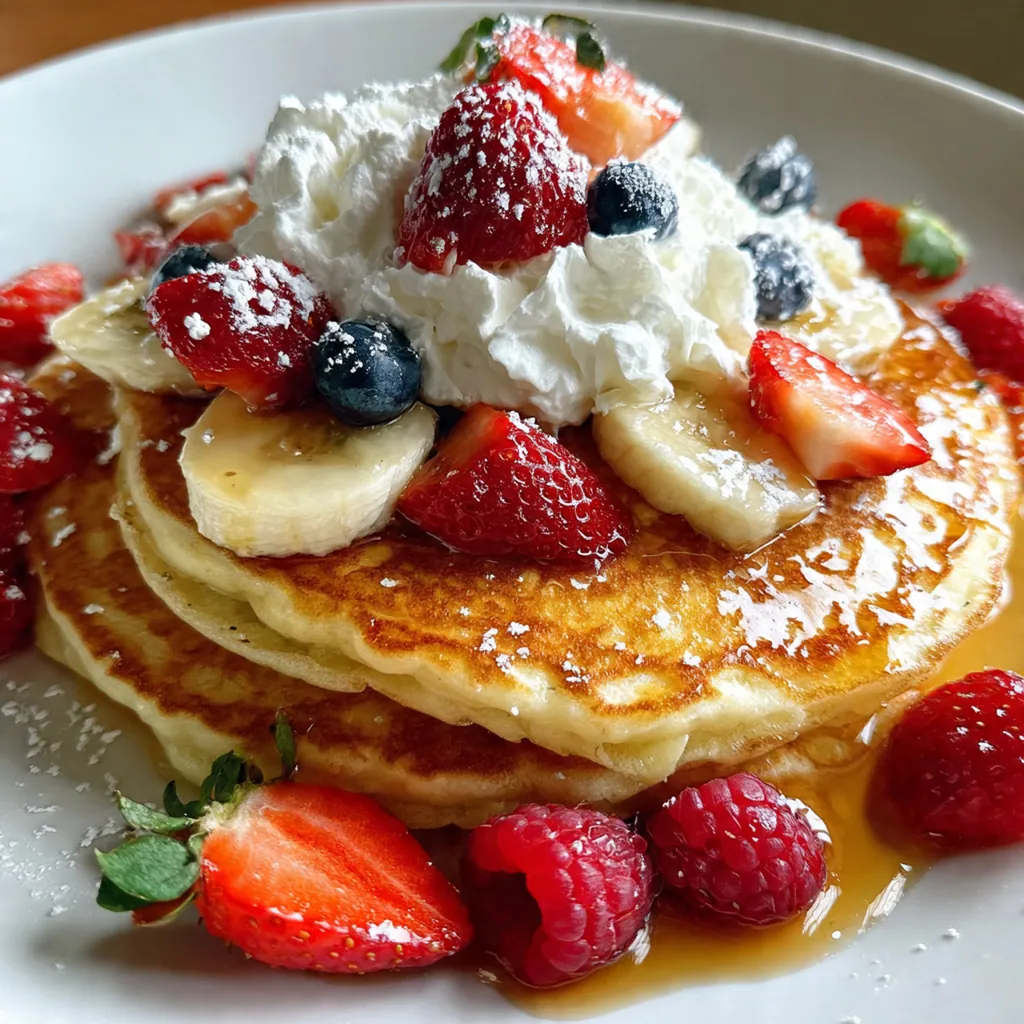
Finding the perfect pancake recipe is a weekend breakfast game-changer, and this classic American version is the only one you’ll ever need. Born from simple pantry staples and that iconic tang of buttermilk, it’s a foolproof formula for achieving incredible height and a tender, fluffy crumb. The magic lies in a gentle hand and understanding a few key techniques. Once you master this method, you’ll have a stack of golden-brown, satisfying pancakes on the table in no time.
Why You'll Love This Recipe
- They’re reliably fluffy and light every single time you make them
- The buttermilk adds a wonderful tang that balances the sweetness perfectly
- It comes together quickly with minimal cleanup required
- You can customize each batch with endless favorite mix-ins
- I honestly make these more than any other breakfast
Ingredients You’ll Need
- All-purpose flour: provides the structure for your pancakes; a reliable supermarket brand works perfectly for consistent results.
- Granulated sugar: adds just the right touch of sweetness and helps with that beautiful golden browning in the pan.
- Baking powder and baking soda: these are your leavening dream team, creating those essential air bubbles for maximum fluffiness.
- Fine sea salt: enhances all the other flavors in the batter; its fine grain dissolves evenly for perfect seasoning.
- Cold buttermilk: the star ingredient that delivers tenderness, moisture, and a subtle tang; its acidity reacts with the leaveners for lift.
- Large eggs: bind the batter together and contribute to the rich, tender structure of the finished pancakes.
- Unsalted butter: melted and cooled, it adds incredible flavor and richness while keeping the crumb moist.
- Pure vanilla extract: a warm, aromatic backdrop that makes these taste like a proper bakery treat.
- Butter or neutral oil: for greasing your cooking surface and creating those irresistible, crisp edges.
How to Make It
Mix Your Dry Ingredients:
Grab your large bowl and whisk the flour, sugar, baking powder, baking soda, and salt together until they’re completely uniform. This even distribution is your first secret to pancakes that rise evenly without any bitter spots.
Combine the Wet Ingredients:
In a separate bowl or measuring cup, whisk the cold buttermilk, eggs, melted butter, and vanilla until you have a smooth, homogenous mixture. Starting with cold buttermilk helps control the reaction with the leaveners for better texture.
Gently Fold Everything Together:
Make a well in the center of your dry ingredients and pour the wet mixture right in. Use a spatula to gently fold the batter just until the flour is moistened; lumps are absolutely necessary and mean you haven’t overworked the gluten.
Let the Batter Rest:
Walk away and let the batter sit undisturbed for a full five minutes. This allows the flour to fully hydrate and gives the baking powder a head start, which translates directly to fluffier pancakes.
Heat and Grease Your Pan:
While the batter rests, place your skillet or griddle over medium-low heat. You want it properly preheated so the pancakes cook through without burning. Lightly grease the surface with a small pat of butter or a drizzle of oil.
Portion and Cook the First Side:
Use a 1/3-cup measure to pour the batter onto the hot surface, leaving room for them to spread. Cook for 2-3 minutes until bubbles form on top and the edges look set and dry.
Flip and Finish Cooking:
Slide your thin spatula underneath and confidently flip each pancake. Cook on the second side for just 1-2 minutes more, until they’re golden brown and spring back lightly when pressed.
Keep Them Warm and Serve:
Transfer your finished pancakes to a wire rack or a warm oven while you cook the rest. This keeps them from getting soggy. Serve them immediately with all your favorite toppings for the best experience.
You Must Know
- Cold buttermilk and cooled melted butter are non-negotiable for the best rise
- A lumpy batter is a good batter, so stop mixing the second the flour is moistened
- Letting the batter rest for five minutes is a game-changer for texture
- Cook over medium-low heat for perfect golden color without a raw center
- I never press down on my pancakes after flipping
Storage Tips
To keep leftover pancakes fresh, let them cool completely on a wire rack first so steam doesn’t make them soggy. You can store them in an airtight container or bag in the fridge for up to three days. For longer storage, freeze them in a single layer on a baking sheet until solid, then transfer to a freezer bag where they’ll keep for two months. Reheat them straight from frozen in a toaster or a warm oven to bring back that just-made texture.
Ingredient Substitutions
If you’re out of buttermilk, you can make a solid substitute by adding two tablespoons of lemon juice or white vinegar to a measuring cup and filling it to the two-cup line with plain milk; let it sit for five minutes to curdle. For a dairy-free version, use the same method with your favorite unsweetened plant-based milk and swap the melted butter for a neutral oil like avocado or canola. In a pinch, all-purpose flour can be replaced with a good-quality gluten-free flour blend, though the texture might be slightly different.
Serving Suggestions
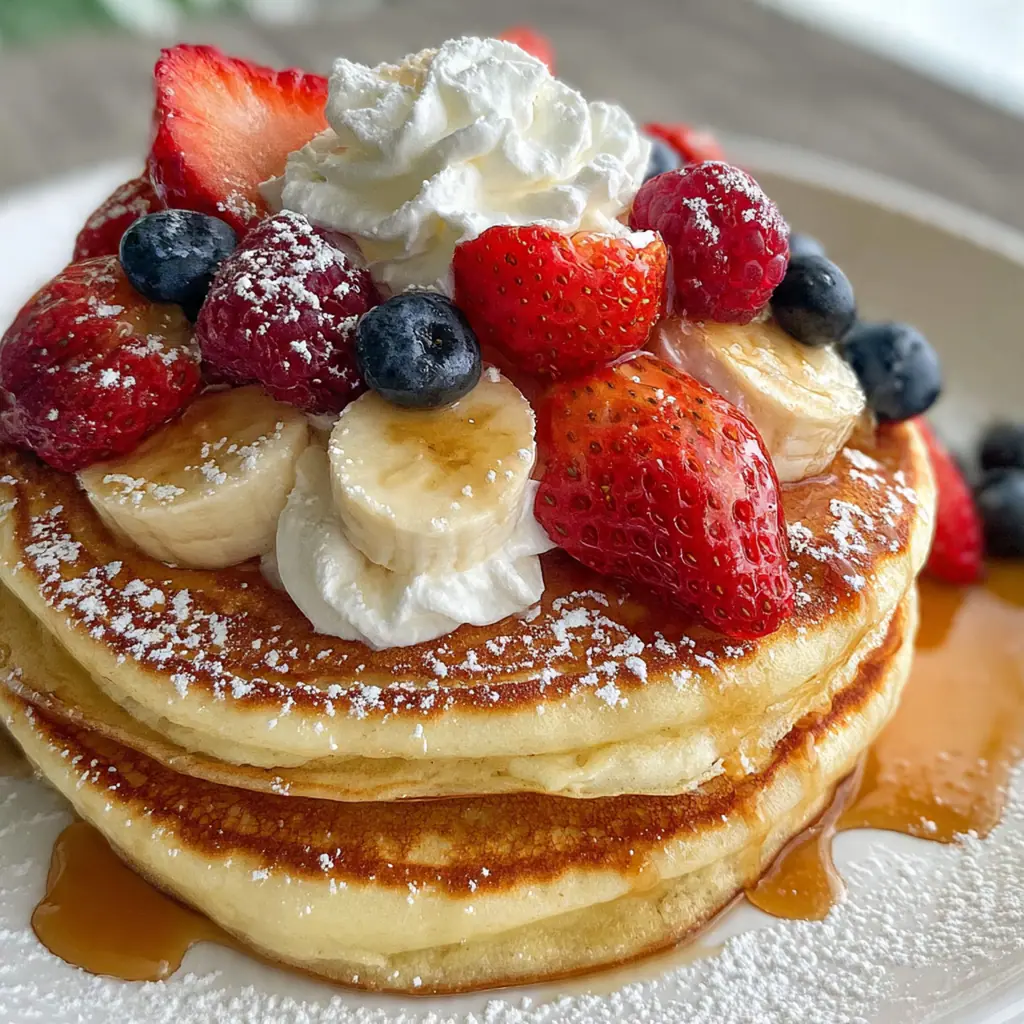
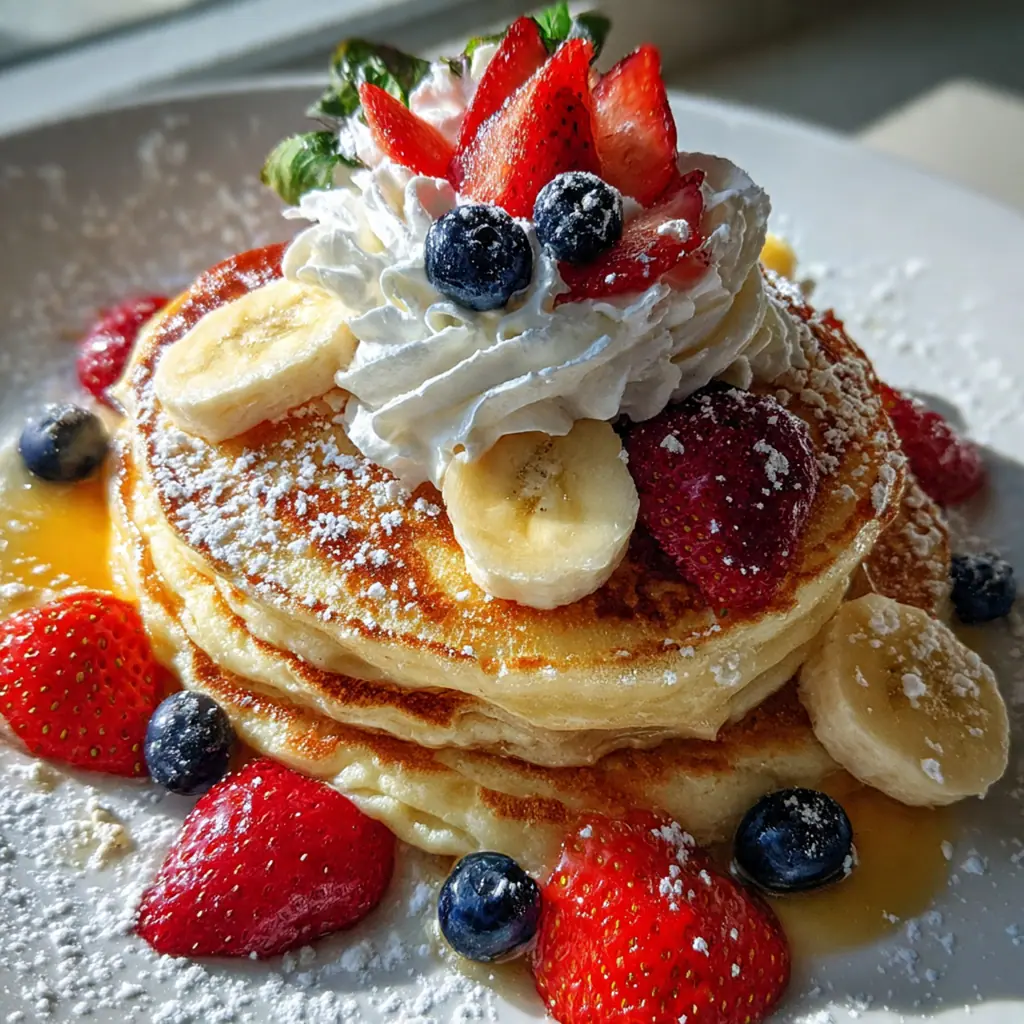
You can’t go wrong with the classic pairing of warm maple syrup and a pat of melting butter slowly soaking into the stack. For a fuller breakfast, serve them alongside crispy bacon or breakfast sausage links and a plate of scrambled eggs. I love getting creative with toppings, so I often set out bowls of fresh berries, sliced bananas, a handful of chocolate chips, and maybe even a dollop of whipped cream for a real weekend treat.
Cultural Context
This pancake recipe is a true staple of American diner and home kitchen culture, a dish that feels equally at home on a quiet Sunday morning table as it does in a bustling family restaurant. The use of buttermilk is a clever nod to resourcefulness, originally a way to use up the liquid left after churning butter. Over time, that tangy flavor and its miraculous effect on texture became the gold standard. It’s a recipe built on simplicity and reliability, designed to bring people together over a shared, comforting meal without any fuss.
Pro Tips
- Use a 1/3-cup measure for consistently sized pancakes that cook evenly
- Wait for those surface bubbles and dry edges before you even think about flipping
- Keep finished pancakes on a wire rack, not a plate, to prevent sogginess
- Add mix-ins like berries or chocolate chips right after you pour the batter onto the griddle
- This is my most requested recipe from friends for a reason
Frequently Asked Questions
If you don’t have buttermilk, you can make a great substitute for these fluffy pancakes. For every cup of regular milk, stir in 1 tablespoon of lemon juice or white vinegar and let it sit for 5 minutes until it curdles. This acidic component is crucial for reacting with the baking soda to create the perfect rise and tender texture.
For the best results, it’s recommended to cook the pancakes immediately after mixing the batter. The leavening agents (baking powder and soda) begin working right away, so letting the batter sit can lead to denser, less fluffy pancakes. However, you can mix all the dry ingredients and all the wet ingredients separately the night before, then combine them in the morning for a quick start.
You can easily substitute an equal amount of regular table salt for the fine sea salt. Just be cautious if using kosher salt, as it’s less dense by volume. If using kosher salt (like Diamond Crystal), you’d want to use about 1 1/2 to 2 teaspoons to match the seasoning level of 1 teaspoon of fine sea salt.
Look for visual cues on the cooking surface. The edges will start to look set and dry, and bubbles will form on the top surface and begin to pop, leaving little holes. This usually takes about 2-3 minutes over medium heat. The bottom should be a perfect golden-brown before flipping.
These classic American breakfast pancakes are incredibly versatile. Serve them warm with traditional maple syrup and a pat of butter. For a fresh twist, add a side of crispy bacon or breakfast sausage, or top them with fresh berries, sliced bananas, or a dollop of whipped cream. They’re the perfect centerpiece for a leisurely weekend brunch.