

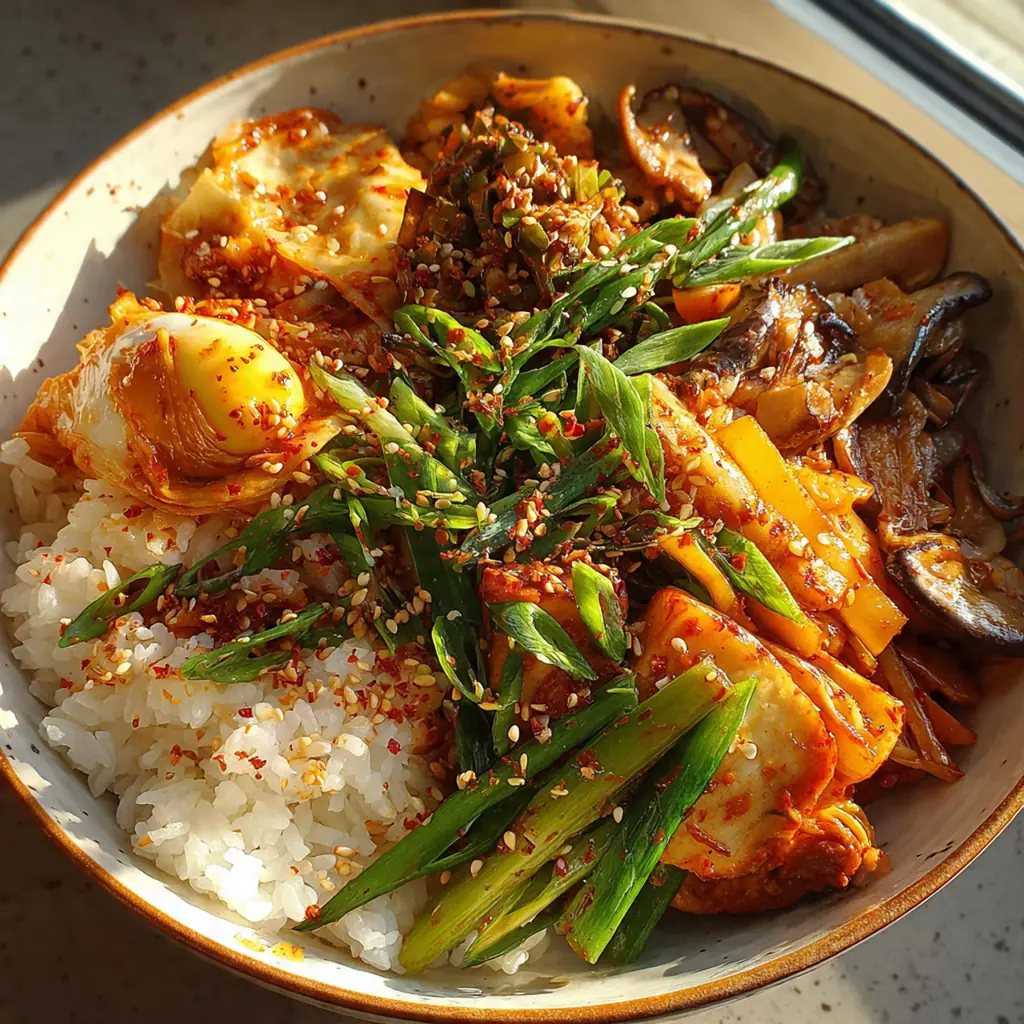
Traditional Korean Bibimbap is a vibrant and nutritious Korean recipe that has been a staple in my kitchen for years. This iconic dish, whose name means ‘mixed rice’, beautifully showcases the balance of flavors and textures that define Korean cooking. It’s a customizable meal that’s as beautiful as it is delicious, and this authentic version will bring the taste of Korea to your table. The mix of warm rice, seasoned vegetables, marinated beef, and a fried egg creates a harmony that’s truly satisfying.
Why You'll Love This Recipe
- It’s packed with colorful vegetables and protein for a perfectly balanced meal
- You can customize it with your favorite toppings and adjust the spice to your liking
- The combination of textures from crispy vegetables to tender beef is incredibly satisfying
- It’s a fantastic way to use up leftover vegetables you have in your fridge
- This is one of those Korean recipes that feels special but is totally doable at home
Ingredients You’ll Need
- Short-grain white rice: The foundation of the dish, it gets beautifully sticky and holds everything together. Look for Korean or Japanese varieties for the best texture.
- Beef sirloin or ribeye: Thinly sliced for quick cooking and maximum tenderness. Ribeye has a bit more fat for extra flavor, but sirloin is leaner.
- Soy sauce: Forms the base of the savory, umami-rich marinade for the beef. A good quality soy sauce makes a noticeable difference.
- Sesame oil: Provides that signature nutty, aromatic flavor that’s essential to Korean recipes. Always use toasted sesame oil, not the raw kind.
- Garlic: Minced fine to infuse the marinade and vegetables with its pungent, aromatic flavor. Fresh is always best here.
- Granulated sugar: A touch balances the saltiness of the soy sauce and helps caramelize the beef as it cooks.
- Toasted sesame seeds: Add a subtle crunch and a toasty aroma. You can buy them pre-toasted or toast them in a dry pan.
- Fresh spinach: Blanched quickly to become tender but still vibrant green. It wilts down a lot, so don’t be shy with the amount.
- Carrots: Julienned into thin matchsticks for quick cooking and a lovely sweet crunch. Use a mandoline if you have one.
- Zucchini: Also julienned, it cooks quickly and adds a soft, mild texture. Don’t overcook it or it can get mushy.
- Shiitake mushrooms: Sliced and sautéed until tender, they add a deep, savory earthiness. You can use dried ones rehydrated for even more flavor.
- Bean sprouts: Blanched briefly for a clean, crisp texture and a fresh, slightly nutty taste. They’re a classic bibimbap topping.
- Eggs: Fried sunny-side up so the runny yolk becomes a rich sauce when mixed. Room temperature eggs fry more evenly.
- Gochujang: The Korean chili paste that brings the heat and a complex, fermented sweetness. Start with less and add more as you mix.
- Vegetable oil: A neutral oil with a high smoke point for sautéing all the vegetables and frying the egg. Canola or grapeseed work too.
- Salt: Used to season each vegetable component individually, building layers of flavor throughout the entire bowl.
How to Make It
Rinse and Cook the Rice:
Start by rinsing your rice under cold water until the water runs clear; this removes excess starch so your rice isn’t gummy. Cook it according to package instructions, usually with a bit less water than usual for a slightly firmer texture that holds up to mixing. Let it stay warm and covered until you’re ready to assemble your bowls.
Marinate the Beef:
Whisk together the soy sauce, one tablespoon of the sesame oil, minced garlic, sugar, and toasted sesame seeds in a medium bowl. Toss your thinly sliced beef in this mixture until every piece is well-coated. Let it sit for at least fifteen minutes; this short marinate time is enough to infuse it with incredible flavor.
Prepare the Vegetables:
You’ll cook each vegetable separately to keep their colors bright and flavors distinct. Blanch the spinach quickly, then shock it in cold water and squeeze it dry before seasoning. Sauté the carrots, zucchini, and mushrooms one after the other in a hot skillet with just a bit of oil, seasoning each with a pinch of salt as they finish.
Cook the Beef and Eggs:
Heat a tablespoon of oil in your skillet over high heat. Add the marinated beef and let it sear without moving for a minute to get some color, then stir-fry until just cooked through. In the same pan, fry your eggs sunny-side up; you want the whites set and the yolks gloriously runny.
Assemble Your Bowls:
Divide the warm rice among four deep bowls. Neatly arrange your prepared spinach, carrots, zucchini, mushrooms, bean sprouts, and beef in separate sections around the perimeter of the rice. Carefully place a fried egg right in the center of each bowl—it’s the crowning glory.
Add the Finishing Touches:
Drizzle the remaining sesame oil around the edges of the bowl—it’ll pool with the rice and create an amazing aroma. Add a generous dollop of gochujang on the side, along with any optional garnishes like green onions or extra sesame seeds.
Serve and Mix:
Bring the bowls to the table immediately while everything is still warm. The key move is to instruct everyone to mix everything together thoroughly, breaking the egg yolk and incorporating the gochujang until every grain of rice is coated and colorful.
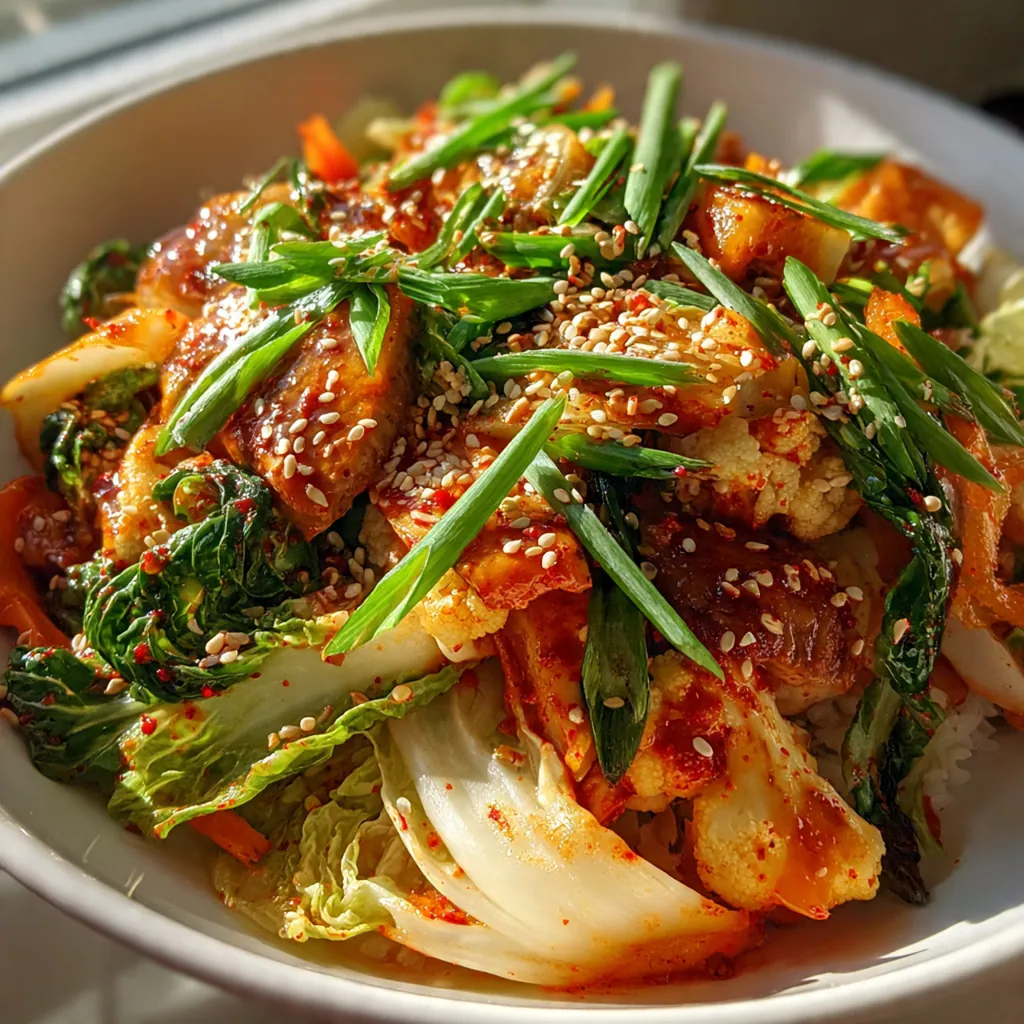
You Must Know
- Short-grain rice is non-negotiable for the right sticky texture
- Cook each vegetable separately to maintain their individual character
- A runny egg yolk acts as the ultimate mixing sauce
- That final drizzle of sesame oil is a game-changer
- I always make a little extra gochujang for my spice-loving friends
Storage Tips
To keep leftovers at their best, store each component separately in airtight containers in the fridge for up to three days. The rice and vegetables reheat gently in the microwave with a splash of water, and the beef is best warmed up quickly in a skillet to keep it tender. I don’t recommend freezing the assembled dish or the blanched vegetables, as the textures will suffer, but you can freeze the marinated beef before cooking if needed. When you’re ready to eat again, just reheat everything and fry a fresh egg—it makes all the difference.
Ingredient Substitutions
If beef isn’t your thing, you can easily swap in thinly sliced chicken thigh, ground pork, or even firm tofu pressed and cubed for a vegetarian version. Don’t have shiitakes? Cremini or white button mushrooms work in a pinch, though the flavor will be milder. For the spinach, you could use Swiss chard or kale, just remember to remove any tough stems. If gochujang is too spicy, try mixing a bit of soy sauce, sesame oil, and a pinch of sugar for a mild, savory sauce. And for a gluten-free take, use tamari instead of soy sauce and double-check your gochujang label.
Serving Suggestions
For a truly authentic Korean meal, I love serving bibimbap with a few classic side dishes like spicy kimchi, sweet and tangy pickled radish (danmuji), or a quick cucumber salad with vinegar and sesame seeds. A light, clear soup such as miyeokguk, made with seaweed, is a traditional and comforting pairing that rounds out the meal. If you’re keeping it simple, even just an extra bowl of the seasoned bean sprouts or some roasted seaweed sheets to snack on makes the whole experience feel special and complete.
Cultural Context
Bibimbap is more than just a mixed rice bowl; it’s a culinary philosophy that represents balance and harmony, which are central to Korean culture. You’ll find it served everywhere from home kitchens to royal palace cuisine, often with seasonal vegetables reflecting Korea’s deep respect for ingredients. The practice of mixing everything together at the table is symbolic, turning individual components into a unified, communal dish. It’s also deeply practical, originally conceived as a way to use up leftover side dishes (banchan) from other meals, making it a brilliant and sustainable example of Korean culinary ingenuity that has stood the test of time.
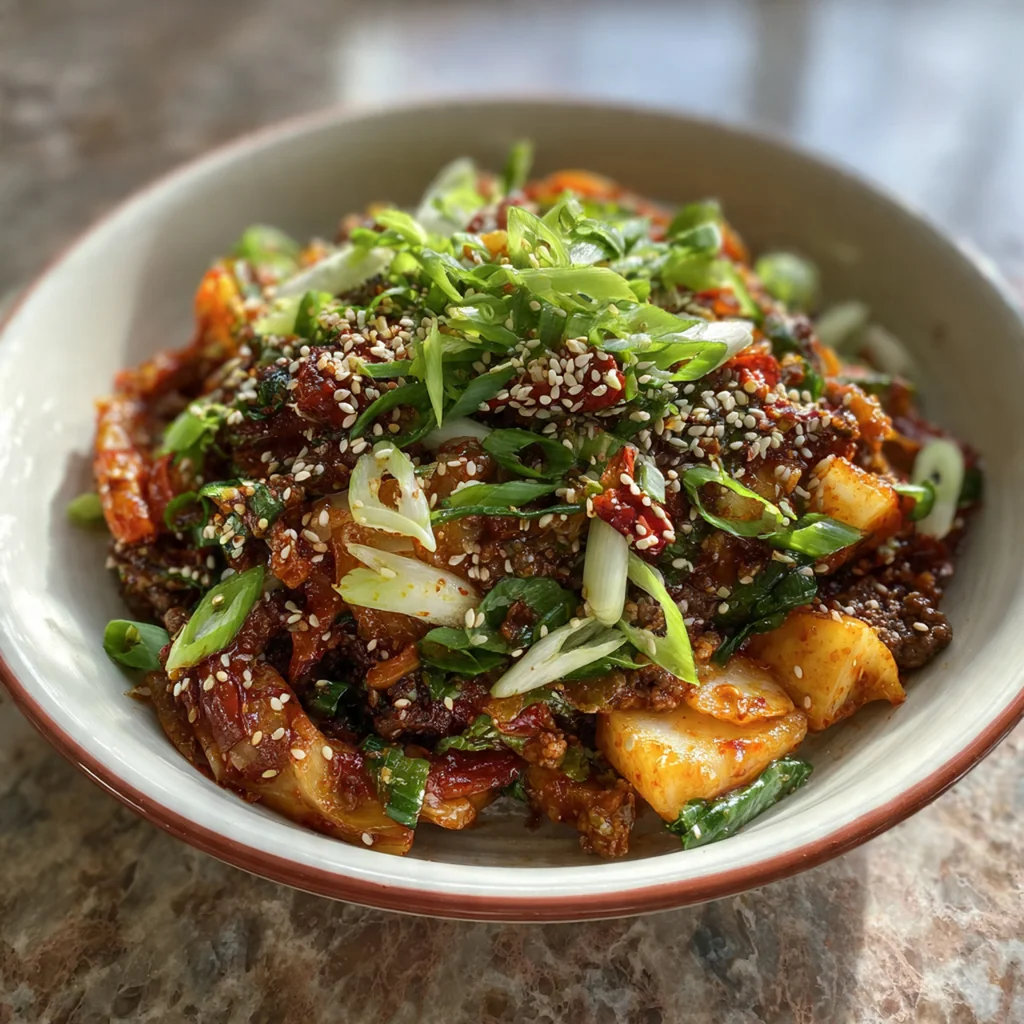
Pro Tips
- Slice the beef thinly against the grain for the most tender bite
- Use a hot stone bowl (dolsot) for an incredible layer of crispy rice
- Start with less gochujang and add more as you mix to your taste
- Let your fried egg come to room temp before cooking for an even set
- I always double the garlic in the marinade for extra punch
Frequently Asked Questions
Short-grain white rice is traditional for Bibimbap because it becomes slightly sticky when cooked, which helps hold the dish together when mixed. You can use medium-grain if needed, but avoid long-grain rice as it tends to be too fluffy.
Yes, you can prepare the components of Bibimbap ahead of time. Store the cooked rice, marinated beef, and vegetables separately in airtight containers in the refrigerator for up to 2 days. Reheat gently and fry the eggs just before serving.
If you don’t have gochujang, you can use a mixture of 1 tablespoon of red pepper flakes, 1 tablespoon of soy sauce, 1 teaspoon of sugar, and 1 teaspoon of sesame oil. However, gochujang has a unique fermented flavor that is hard to replicate.
The thinly sliced beef cooks very quickly. It should be seared in a hot pan for about 1-2 minutes per side until it’s no longer pink and has a nice browned exterior. Be careful not to overcook it to keep it tender.
Bibimbap is a complete meal on its own, but you can serve it with traditional Korean side dishes (banchan) such as kimchi, pickled vegetables, or a simple seaweed soup. A light, refreshing cucumber salad also pairs well.