

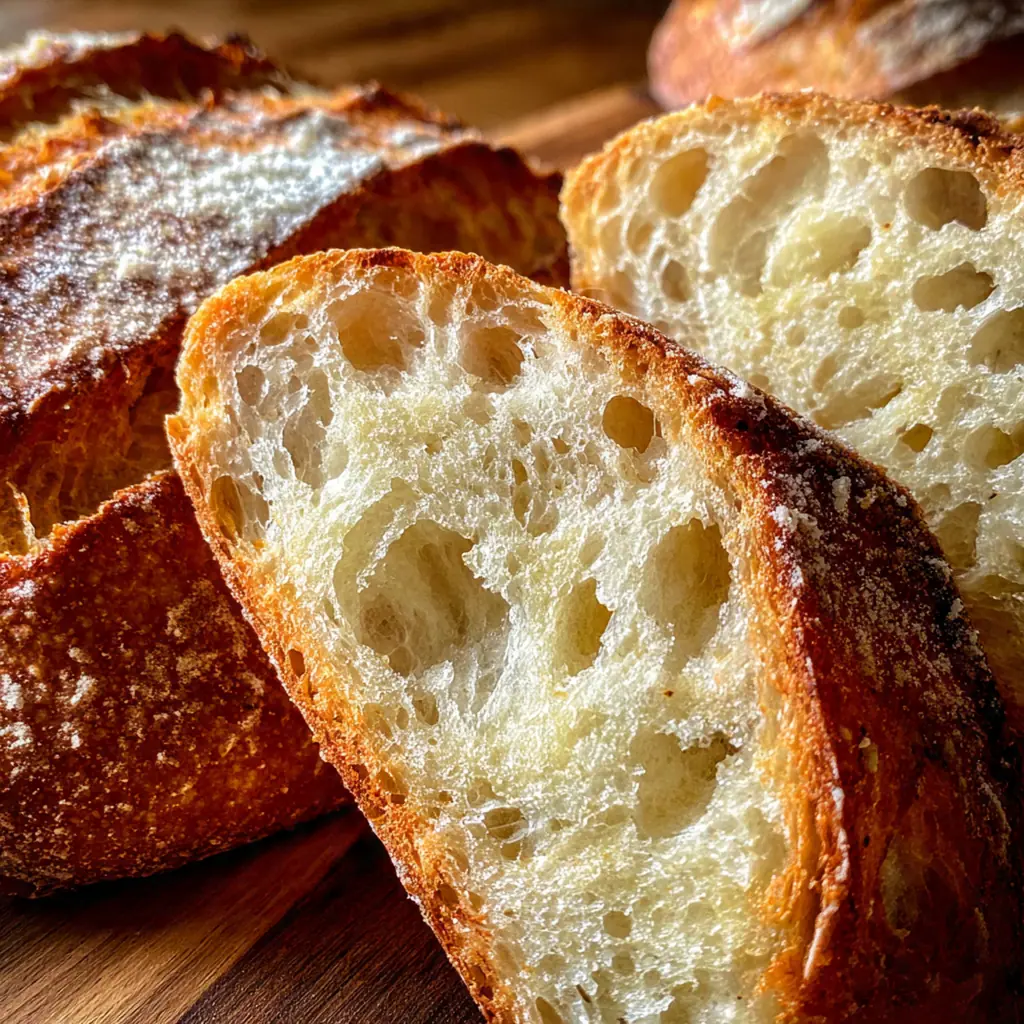
Mastering your first loaf of Easy Homemade Bread is a rite of passage in the kitchen, and this recipe is the perfect place to start. It’s a classic American-style loaf that turns a few basic ingredients into something truly magical. I remember the pride I felt pulling my first golden, fragrant loaf from the oven—it’s a feeling you’ll get to know well. This method is designed for success, proving that incredible bread doesn’t require any special skills, just a bit of patience and your own two hands.
Why You'll Love This Recipe
- You only need six simple ingredients you probably already have
- It requires no fancy equipment or stand mixer—just a bowl and your hands
- You get a soft, perfect crumb and a crisp, golden crust every single time
- Your whole house fills with that unbeatable smell of fresh baking bread
- It’s infinitely cheaper and more satisfying than anything from the store
Ingredients You’ll Need
- Warm water: the temperature is everything for waking up the yeast without killing it, use a thermometer to hit that sweet spot around 110°F for best results.
- Active dry yeast: this tiny organism is the engine of your bread, creating the gas that makes the dough rise and develop flavor as it ferments.
- Granulated sugar: a little food for the yeast to get it bubbling and active quickly, which jumpstarts the whole rising process.
- All-purpose flour: the backbone of your loaf, providing the structure and gluten network that traps air and gives the bread its chewy texture.
- Salt: this crucial ingredient controls the yeast’s activity and seasons the dough deeply, bringing out the bread’s natural wheaty flavor.
- Olive oil: adds tenderness to the crumb and a subtle richness, while also keeping the dough from sticking too much during kneading.
- Egg yolk and water wash: this optional mix brushed on top gives the baked loaf a deep, glossy, professional-looking golden brown finish.
- Sesame or poppy seeds: a simple sprinkle adds visual appeal, a lovely crunch, and a subtle nutty flavor to each slice.
How to Make It
Activate Your Yeast:
Start by combining the warm water, yeast, and sugar in your large bowl. Give it a gentle stir and let it sit undisturbed for five to ten minutes. You’re looking for a foamy, bubbly layer on top, which is your sign the yeast is alive and ready to work. This step is non-negotiable for a good rise.
Mix the Shaggy Dough:
Pour three cups of the flour and all of the salt right into the yeasty water. Use a wooden spoon to stir everything together until it forms a rough, shaggy mass with no dry pockets of flour. Don’t worry about perfection here, you just want everything incorporated before you start kneading.
Incorporate the Oil and Knead:
Drizzle in the olive oil and mix until it’s absorbed. Turn the dough out onto a lightly floured surface and begin kneading. Push the dough away from you with the heel of your hand, fold it back over itself, and repeat. This builds the gluten. Add the remaining flour a little at a time only if the dough is very sticky. Knead for a full eight to ten minutes until it’s smooth, elastic, and springs back when poked.
First Rise:
Place your smooth dough ball into a lightly oiled bowl, turning it once to coat it all over. This prevents a dry skin from forming. Cover the bowl tightly with a clean towel or plastic wrap and let it rest in a warm, draft-free spot. In about an hour, it should look puffy and have doubled in size. This slow fermentation is where your bread develops its flavor.
Shape the Loaf:
Punch down the dough firmly right in the center to deflate it and release the large air bubbles. Turn it out onto your surface and flatten it gently into a rough rectangle. Roll it up tightly from one short end, pinching the final seam and the ends closed to seal. This creates the tension needed for a good oven spring and a tall loaf.
Second Rise and Preheat:
Place your shaped loaf seam-side down into a greased 9×5 inch loaf pan. Cover it again and let it rise for another 30 to 45 minutes until it’s nicely puffed. During this final rise, preheat your oven to 375°F so it’s perfectly hot and ready. If you’re using the egg wash and seeds, brush and sprinkle now for a beautiful top.
Bake to Golden Perfection:
Slide the loaf pan into your preheated oven and bake for 30 to 35 minutes. You’ll know it’s done when the top is a deep, rich golden brown and the loaf sounds hollow when you carefully tip it out and tap the bottom. That hollow sound is the hallmark of a properly baked loaf.
Cool Completely:
This is the hardest part. Remove the bread from the pan immediately and let it cool completely on a wire rack, which takes about an hour. Slicing into warm bread is tempting, but it leads to a gummy texture because the interior is still setting. Waiting guarantees the perfect slice every time.
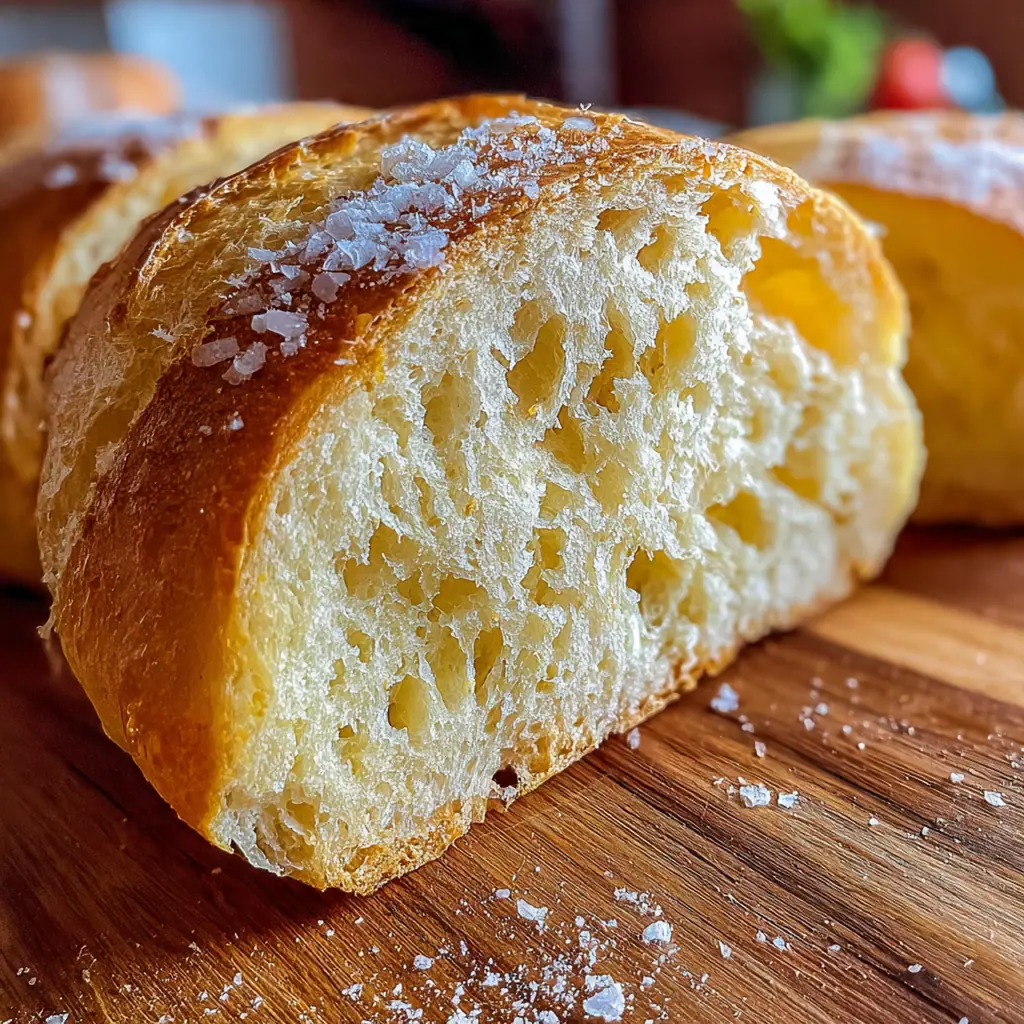
You Must Know
- The water temperature is critical for yeast success
- Kneading builds the gluten structure for a great chew
- Letting the dough double in size develops flavor
- Resist slicing while it’s warm for the best texture
- This easy homemade bread really is that simple
Storage Tips
Once your easy homemade bread has cooled completely, store it at room temperature in a paper bag for up to three days; the paper allows just enough airflow to keep the crust crisp without drying out the crumb. For longer storage, wrap the whole loaf or individual slices tightly in plastic wrap, then again in foil, and freeze for up to three months. Thaw slices at room temperature or refresh a frozen loaf directly in a 350°F oven for about ten minutes to bring back that fresh-from-the-oven warmth and texture.
Ingredient Substitutions
If you don’t have active dry yeast, instant yeast works exactly the same—just mix it directly with your dry flour. For a different flavor profile, you can swap the olive oil for melted butter or a neutral oil like avocado or vegetable. While all-purpose flour is ideal, you can substitute up to one cup of it with whole wheat flour for a heartier loaf, though you might need a touch more water. For the egg wash, a simple brush of milk or cream will still give you a nice color, just not quite as glossy.
Serving Suggestions
I love a thick, warm slice slathered with softened butter and a drizzle of honey for the ultimate simple pleasure. It makes the absolute best sandwiches, from classic peanut butter and jelly to piled-high turkey and avocado. Tear chunks off to dunk into a hearty soup or stew, or toast slices for breakfast and top with your favorite jam. Honestly, it’s hard to beat a piece just plain, fresh from the cooling rack when you finally get to cut into it.
Cultural Context
This style of simple, yeasted white bread is deeply woven into American home baking traditions, a direct descendant of the pioneer and depression-era loaves made for daily sustenance. It represents self-reliance and the comfort of a homemade staple, a far cry from the preservative-filled, shelf-stable loaves that became the norm. Baking a loaf like this connects you to generations of home cooks who found profound satisfaction in creating something fundamental and nourishing from scratch, filling the kitchen with a sense of warmth and accomplishment that never gets old.
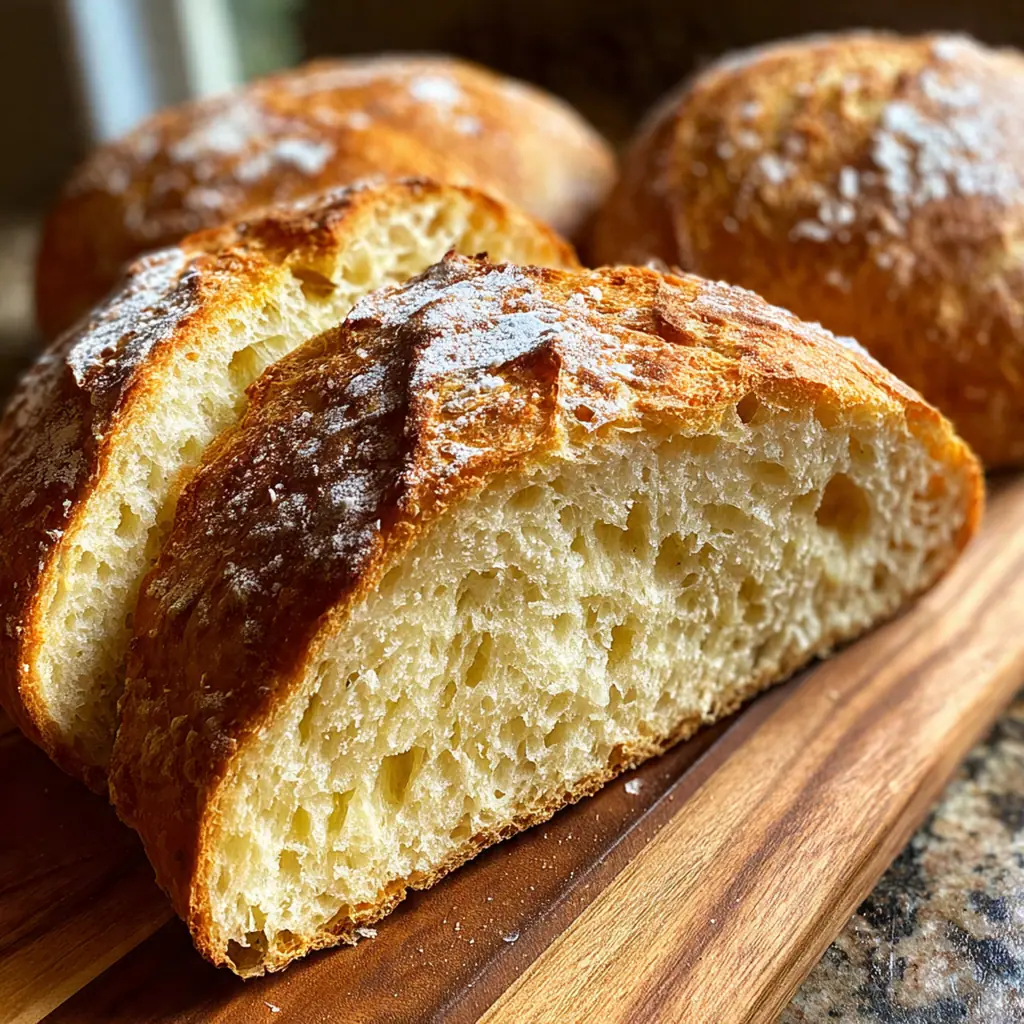
Pro Tips
- Use a kitchen thermometer to nail the water temp
- Knead until the dough passes the windowpane test
- Brush the hot loaf with butter for a softer crust
- Let dough rise in a turned-off oven with the light on if your kitchen is cool
- I always make two loaves—one to eat now, one to freeze
Frequently Asked Questions
This Easy Homemade Bread recipe uses all-purpose flour for the perfect balance of structure and softness. You’ll need 3.5 to 4 cups, adding it gradually until the dough is smooth and slightly tacky but not sticky.
Absolutely! You can let the shaped dough do its final rise in the refrigerator overnight. In the morning, let it come to room temperature for about 30 minutes before baking. Freshly baked bread also freezes well for up to 3 months.
If you don’t have active dry yeast, you can use instant yeast in the same amount. Just mix it directly with the flour and salt—no need to proof it in the warm water and sugar first. This makes the Easy Homemade Bread process even faster.
Your Easy Homemade Bread is done when the crust is a deep golden brown and the loaf sounds hollow when tapped on the bottom. For this recipe, that’s typically around 35 minutes in a 375°F oven, but always trust the visual and sound cues.
This classic American Easy Homemade Bread is incredibly versatile. Serve it warm with butter and jam, use it for sandwiches, or pair it with soups, stews, or a fresh salad. It makes any simple meal feel special.